Embedded Inside a World-Class Revenue Machine
Inside a $14B Company's GTM System: Where Revenue Signal Breaks and How to Fix It
COMPANY
TE Connectivity
ROLE
Marketing Ops Consultant
EXPERTISE
GTM Systems Architecture, Revenue Attribution, MarTech Integration
When I joined TE Connectivity's SMB Growth Program, the company had already built something most B2B organizations never reach: a genuine GTM operating system.
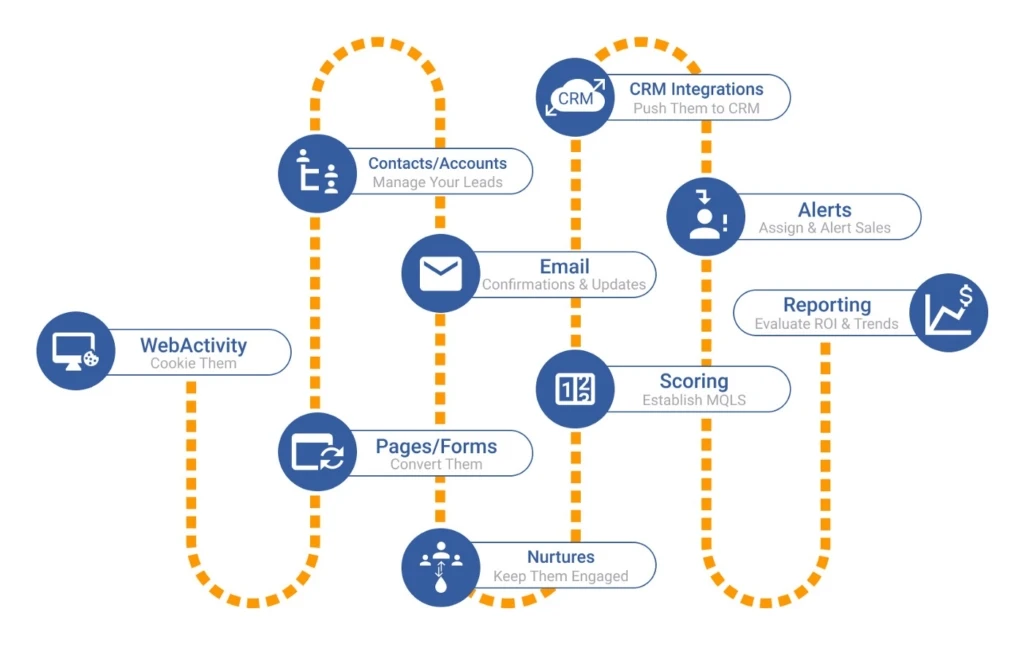
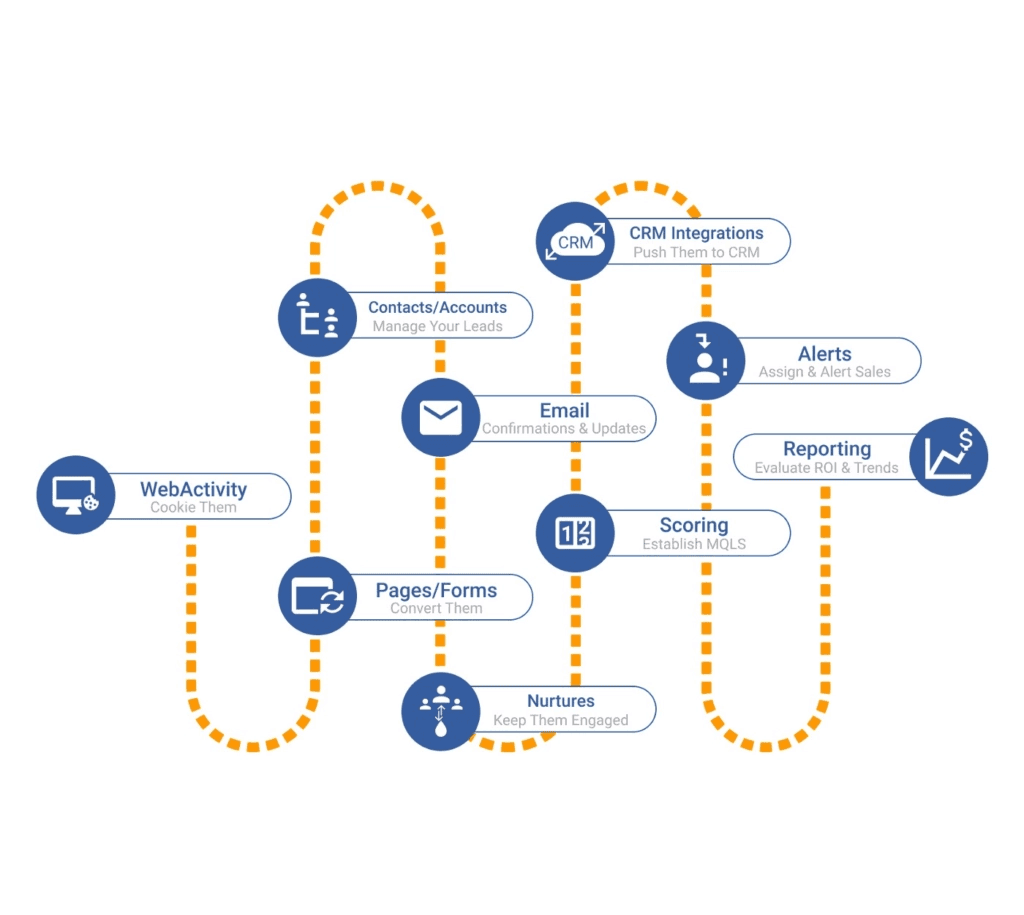
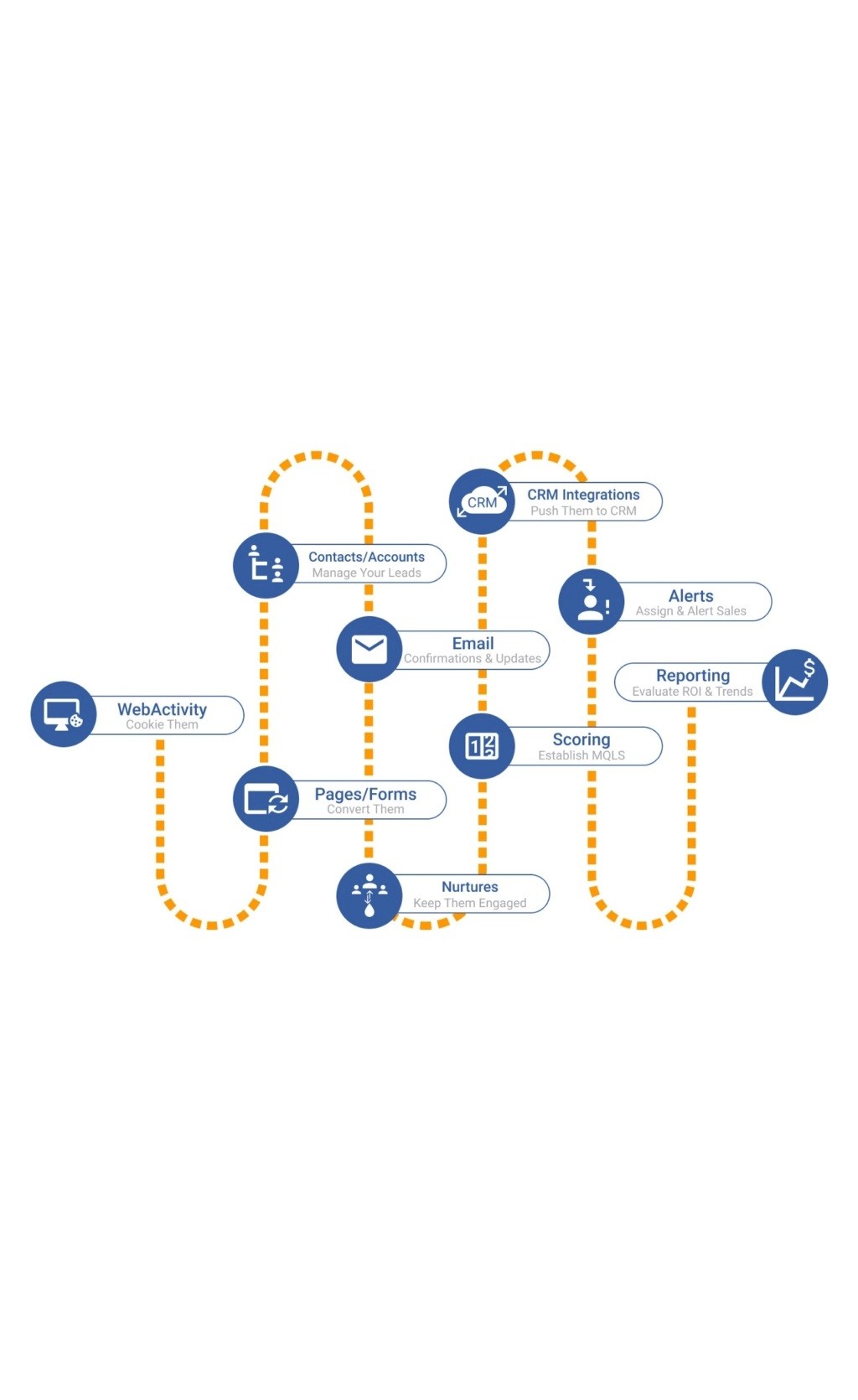
Marketing, Digital, SDR, inside sales, and distribution each had defined roles and handoff points. Campaigns carried standardized tracking from creation. Our marketing automation platform ran structured funnel programs with scoring, routing, and MQL management. Opportunity attribution was already classified as Marketing Sourced, Marketing Influenced, or Sales Sourced. By 2017 to 2019 standards, this was a highly mature CRM-centered revenue architecture.
My job was not to build that machine. My job was to operate inside it, in China, where local channel realities exposed the places where even a strong global system loses signal.
Three structural problems emerged at the execution layer.
Signal quality upstream. Off-site leads from publishers and offline activities arrived with form fields but no owned-channel behavior history. They entered the scoring model with incomplete signals and needed a separate pre-qualification layer before SDR could reliably work them. We built a filtering process with a local agency to screen and enrich these leads before routing them into our marketing automation platform.
Channel integrity. Not all lead volume was what it appeared to be. I helped trace one local source that showed abnormally weak downstream conversion back to its root cause: extremely short dwell times and IP patterns inconsistent with genuine content consumption. The finding did not produce a single budget reallocation event. What it produced was a shift in how the team thought about non-search channels. By FY19, Search was explicitly defined as the always-on harvest layer. Publishers, offline, and database sources were no longer evaluated on volume alone but required pre-qualification, tele-scoring, and partner selection before entering the funnel. The fix was not a budget cut. It was a quality governance layer that changed how upstream supply was treated.
Identity stitching downstream. Our front-half funnel was well-structured. But once an opportunity needed to connect to actual revenue, customer identity across Eloqua, Salesforce, SAP, and distributor POS systems was not stable enough to support clean channel-level attribution. The fix here was not technical. It was definitional: program-level contribution could be proven with confidence through opportunity attribution, channel-level precision could not. We documented that boundary explicitly rather than pretending it did not exist. That honesty made the numbers that could be proven significantly more credible to leadership.
I helped make a sophisticated system usable and believable in a noisy market. That meant translating between global process logic and local channel reality, pressure-testing channel quality before it distorted pipeline, and being precise about what attribution could honestly claim versus what required stronger identity infrastructure to prove.
Most importantly, I learned to separate what a system can prove from what it only appears to show. If the identity layer is unstable, channel-level precision becomes confidence theater.
Between 2018 and 2019, SMB Growth Program revenue grew 115% and MQL volume grew 54%, while spend remained nearly flat. The system was beginning to convert stable investment into disproportionate business output, the clearest signal that the operating model was working.
Revenue Growth
↑115% YoY (multi-million USD impact)
MQL Growth
↑54% annually
Investment Growth
Flat 6%
The ceiling of a GTM operating system is rarely campaign design. It is identity stitching and revenue stitching completeness. TE had already solved the hard organizational problems. What it ran into was a technology infrastructure constraint that no process discipline could fully overcome in that era.
That changed how I approach growth work. I look at system truth, handoff discipline, and signal integrity before I look at channels. That mindset started here.